


A jewelry designer’s business model defines how they create, source, price, and sell their work, and it shapes every financial outcome from startup cost to long-term margin. The four primary types of jewelry designer business models are handmade/artisan, dropshipping, private label/OEM, and curated resale/wholesale. Each carries a distinct cost structure, profit potential, and scalability ceiling. Startup costs range from near $0 for dropshipping to $50,000 or more for curated resale, while gross margins swing from 15% to 80% depending on the model. Choosing the wrong model early is one of the most common reasons jewelry design entrepreneurship stalls before it gains traction.
1. What are the types of jewelry designer business models?
The five models most designers work within are handmade/artisan, dropshipping, private label/OEM, curated resale/wholesale, and custom/bespoke production. Each model answers a different question: How much capital do you have? How much control do you need over the product? How fast do you want to scale? Knowing where you stand on those three questions narrows your options quickly.

No single model is universally superior. A designer with $500, strong bench skills, and a local following will thrive with the artisan model. A designer with marketing talent but limited capital will find dropshipping a faster entry point. The key is matching the model to your actual resources, not your aspirations.
2. Handmade/artisan model: high margins, limited scale
The handmade artisan model is the most traditional form of jewelry design entrepreneurship. Startup costs run $200–$5,000, covering tools, bench equipment, and raw materials. Gross margins reach 60–80%, which is the highest of any model. That margin reflects the premium customers pay for one-of-a-kind craftsmanship and direct designer relationships.
The ceiling is production time. A single designer can only make so many pieces per week, which caps revenue unless they hire or outsource. Channels like Etsy, local craft markets, and Instagram work well for this model because they reward storytelling and visual identity. Inventory risk is low when you work made-to-order, which also frees up cash compared to stock-heavy approaches.
- Best for: Designers with strong making skills and a clear personal brand
- Channels: Etsy, local markets, direct website, Instagram
- Margin range: 60–80%
- Main risk: Production bottleneck as demand grows
Pro Tip: Price your handmade pieces using a 4x cost multiplier for direct-to-consumer sales. This protects your margin when you eventually add wholesale accounts, since wholesale pricing targets 2x cost and you need room between the two channels.
3. Dropshipping model: low risk, low margin
The dropshipping model lets you sell jewelry without holding any inventory. A supplier ships directly to your customer under your brand name. Startup costs run $0–$2,500, mostly covering a website, marketing tests, and platform fees. Margins land at 15–30%, which is the lowest of all four primary models.
The trade-off is clear: you trade margin for risk reduction. You never buy inventory you cannot sell. That makes dropshipping ideal for designers testing a new market or product category before committing capital. The challenge is quality control. You depend entirely on your supplier’s production standards, packaging, and shipping speed, all of which affect your customer’s experience and your brand reputation.
- Best for: Designers with limited capital or those validating a new concept
- Key skill required: Marketing, paid social, and vendor relationship management
- Margin range: 15–30%
- Main risk: No control over product quality or fulfillment speed
Managing vendor relationships well is the difference between a dropshipping business that grows and one that drowns in returns. Tools for managing vendor data and inventory reduce errors and keep your catalog accurate. Avoiding common jewelry e-commerce platform mistakes early saves significant time and money.
Pro Tip: Before committing to a dropshipping supplier, order five to ten pieces as a test customer. Evaluate packaging, delivery time, and product accuracy against the listing. Your customers will judge your brand, not the supplier.
4. Private label/OEM model: scalable with brand equity
The private label model sits between handmade and dropshipping on the control spectrum. You work with a manufacturer to produce pieces under your brand name, either using their existing designs (OEM) or your original designs (custom). Startup costs range from $2,000 to $25,000 or more, depending on minimum order quantities and design complexity. Margins land at 40–60%.
This model rewards designers who think like brand builders. You control the product line, the packaging, and the pricing narrative. The manufacturer handles production. That separation lets you focus on design, marketing, and customer acquisition while production scales independently of your personal time.
The intellectual property question matters here. OEM gives you no IP protection on the base design. ODM allows partial modifications. Custom manufacturing gives you full IP ownership but requires upfront CAD files and prototyping costs, plus longer lead times. Understanding this distinction shapes your long-term brand uniqueness.
- OEM (Original Equipment Manufacturer): Use the supplier’s existing molds. Zero design cost upfront. No IP protection. Best for commodity staples like basic chains or stud earrings.
- ODM (Original Design Manufacturer): Modify an existing design. Moderate upfront cost. Partial IP protection. Good for adding your aesthetic to proven sellers.
- Custom manufacturing: Your original design, built from scratch. Full IP ownership. Higher upfront cost and longer lead times. Best for flagship pieces that define your brand.
Hybrid manufacturing strategies that combine OEM for high-volume staples with custom for flagship collections reduce short-term cash risk while building long-term brand equity. This is the approach most successful jewelry brands use once they reach a consistent sales volume.
5. Curated resale/wholesale model: curation as the product
The curated resale model treats your taste as the product. You buy finished pieces from multiple sources and sell them under a unified brand identity. Startup costs run $2,000–$50,000 depending on inventory depth. Margins vary widely, from 30% to 70%, based on sourcing relationships and sales channels.
This model suits designers who excel at trendspotting and merchandising rather than making. Your value is the edit. Customers trust your selection, not just individual pieces. The challenge is inventory management. Capital gets tied up in stock, and slow-moving pieces erode cash flow. Jewelry manufacturing is working capital intensive, and that applies equally to resale businesses holding finished goods.
The B2B wholesale version of this model adds another layer. You sell curated collections to retail jewelers rather than end consumers. This requires higher production efficiency and proven demand before you commit to wholesale minimums.
Pro Tip: Use a jewelry inventory management system that syncs vendor data in real time. Stale inventory data leads to overselling, which damages customer trust faster than almost any other operational failure.
6. What are the manufacturing models for jewelry designers?
Manufacturing model choice shapes IP protection, cost structure, lead times, and brand exclusivity. These are the three types of jewelry manufacturing business models designers use, and each serves a different strategic purpose.
| Manufacturing type | Upfront cost | IP ownership | Lead time | Best use case |
|---|---|---|---|---|
| OEM | Low | None | Short | High-volume commodity items |
| ODM | Medium | Partial | Medium | Modified bestsellers |
| Custom/bespoke | High | Full | Long | Flagship and signature pieces |
OEM carries zero upfront design cost but offers no IP protection. Custom manufacturing delivers full ownership but demands CAD investment and longer production cycles. Most designers benefit from using OEM for their bread-and-butter catalog and custom production for the pieces that define their brand identity.
The financial logic is straightforward. OEM keeps cash flowing. Custom builds the brand story that justifies premium pricing. Running both simultaneously is not complicated once you have a reliable manufacturer relationship. The risk is over-investing in custom production before you have a proven customer base willing to pay for exclusivity.
Key Takeaways
The most effective jewelry business model aligns your available capital, production skills, and target margin before you commit to inventory or manufacturing contracts.
| Point | Details |
|---|---|
| Model choice drives margin | Handmade delivers 60–80% margins; dropshipping delivers 15–30%. Pick based on your capital and skills. |
| Avoid wholesale too early | Build proven demand through DTC or low-inventory models before committing to wholesale minimums. |
| Hybrid manufacturing reduces risk | Combine OEM for staples with custom production for flagship pieces to protect cash flow and brand equity. |
| Pricing must account for channels | Set wholesale at 2x cost and DTC at 4x cost to prevent channel conflict and protect margins. |
| Inventory is a cash trap | Working capital tied up in unsold stock is the leading cash flow threat for new jewelry businesses. |
Why most designers pick the wrong model first
The most common mistake I see is designers choosing a model based on what sounds exciting rather than what their finances actually support. A handmade model with $500 in startup capital is a real business. A curated resale model with $500 is not. The math has to work before the vision does.
The second mistake is moving into wholesale too early. New entrants should avoid wholesale until they have proven demand and operational efficiency. Wholesale locks you into production commitments before you know which designs actually sell. I have watched talented designers kill their cash flow by producing 200 units of a piece that only sold 30 at retail.
Direct-to-consumer brands maintain control over brand experience, pricing, and release cadence in ways that wholesale simply cannot match. Starting DTC, even at small scale, teaches you which pieces resonate, what your customer acquisition cost actually looks like, and whether your pricing holds up under real market conditions. That knowledge is worth more than any wholesale account in your first two years.
The unit economics matter more than most designers realize. Fine jewelry DTC brands average $120–$180 in customer acquisition cost with conversion rates of 0.8%–1.5%. Gross margin alone does not tell you whether your business is profitable. Factor in returns, fulfillment, and marketing before you celebrate a 70% margin.
— Anthony
How Jewelcloud supports your jewelry business model
Whatever model you choose, your ability to manage product data, vendor relationships, and online sales determines how fast you grow.
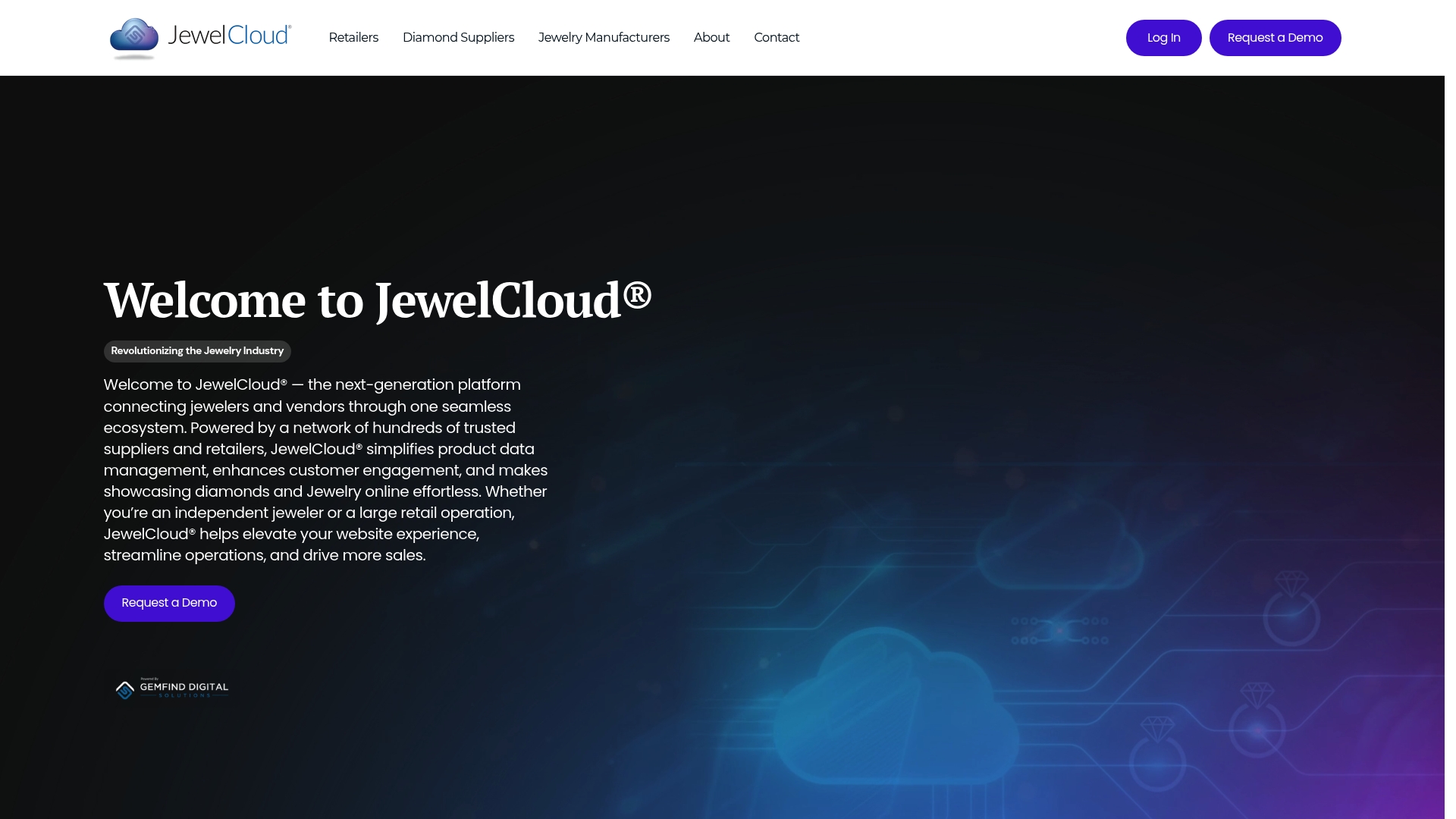
Jewelcloud is a B2B jewelry platform built for designers, manufacturers, and diamond dealers who want to reach retail jewelers without the burden of physical inventory. Vendors load their merchandise at wholesale, and retail partners access it to source, sell, or digitally showcase products. For designers moving into wholesale or expanding into retail channels, Jewelcloud provides the digital infrastructure to do it efficiently. Learn more about Jewelcloud’s vendor membership and how it supports multi-model strategies across dropshipping, wholesale, and curated resale.
FAQ
What is the most profitable jewelry business model?
The handmade/artisan model delivers the highest gross margins at 60–80%, but the private label/OEM model offers better scalability once you have proven demand and capital to invest.
How much does it cost to start a jewelry business?
Startup costs range from near $0 for dropshipping to $50,000 or more for curated resale with deep inventory. A handmade artisan business can launch for $200–$5,000.
When should a jewelry designer move into wholesale?
Move into wholesale only after you have proven retail demand and consistent production efficiency. Committing to wholesale minimums before that point ties up cash in inventory that may not sell.
What is the difference between OEM and custom jewelry manufacturing?
OEM uses a manufacturer’s existing designs with no IP protection and low upfront cost. Custom manufacturing uses your original designs, gives you full IP ownership, and requires higher upfront investment in CAD and prototyping.
What is a hybrid jewelry manufacturing strategy?
A hybrid strategy combines OEM production for high-volume staple items with custom manufacturing for flagship pieces. This approach protects short-term cash flow while building long-term brand equity and exclusivity.